 Beaconline
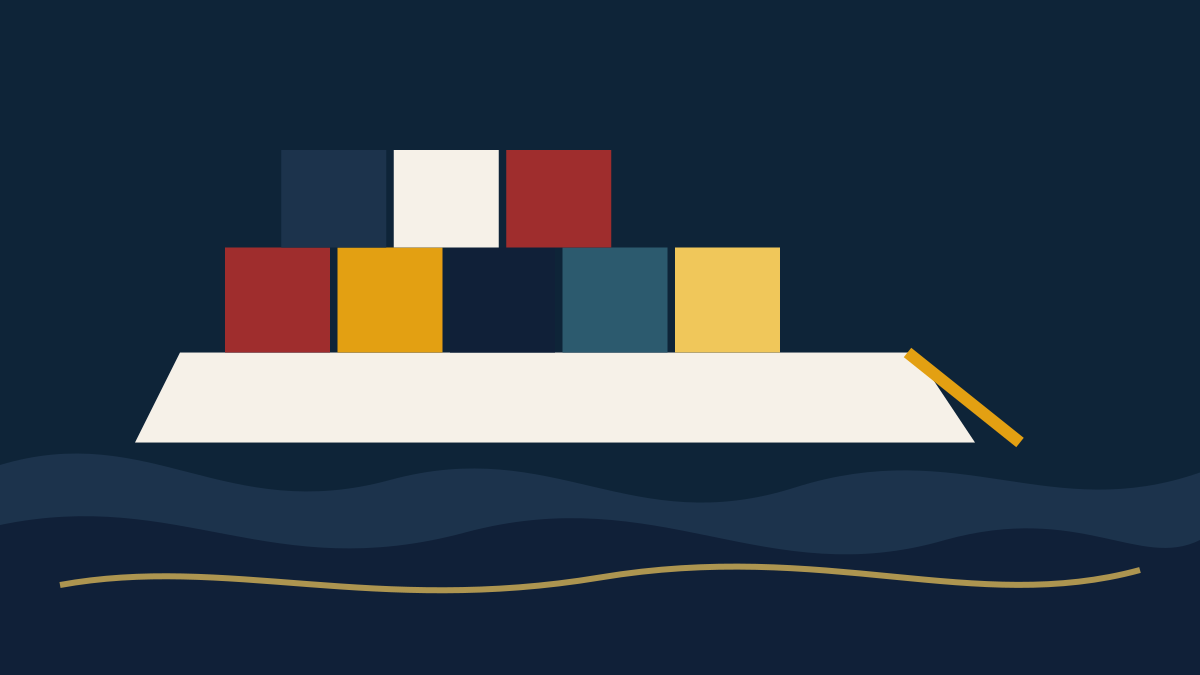
Most goods in a supermarket or a hardware aisle have spent time on the water. The journey is invisible when it is smooth, and suddenly visible when a canal is congested, a port is backed up, or insurance costs on a route jump.
Why a few corridors carry so much
Container shipping is organised around a handful of corridors and hubs. Vessels move between major ports on fixed schedules, and smaller ports are reached by connecting ships. That system is efficient when the hubs are clear. It is brittle when a single strait, canal or terminal is disrupted, because there are only a few realistic alternatives for a ship of that size.
The cost of a voyage is not only fuel. It includes the time the ship is at sea, the time it waits to berth, canal fees, and insurance. If a vessel must sail around a delayed canal, the extra days are a cost that shipping lines try to recover from customers.
How a delay becomes a price
Importers do not only pay the freight rate. They also hold stock. A longer, less predictable journey means more inventory in transit and a greater chance of a gap on the shelf. Some of that cost is absorbed. Some of it is added to the wholesale price, particularly for bulky, low-margin goods where freight is a larger share of the total.
Not every product moves the same way. Fresh food may come by air. Heavy commodities often travel in bulk ships, not containers. Electronics are more likely to be in containers on the main east–west routes. When you hear that “shipping costs have risen”, it is worth asking which kind of cargo, and which route.
What is and is not in a household’s control
Individuals cannot reroute the world’s fleets. They can, though, be slower to read a short-term jump in one category as a permanent change. Freight rates move. When a bottleneck eases, prices sometimes follow down, though usually with a lag, because contracts and stock already in warehouses were priced under the earlier conditions.
The useful habit is to treat shipping as part of the cost of a good, just as labour and raw materials are. The route is not a footnote. For many ordinary purchases, it is one of the reasons the price is what it is.

No comments have been published on this story yet.