 Beaconline
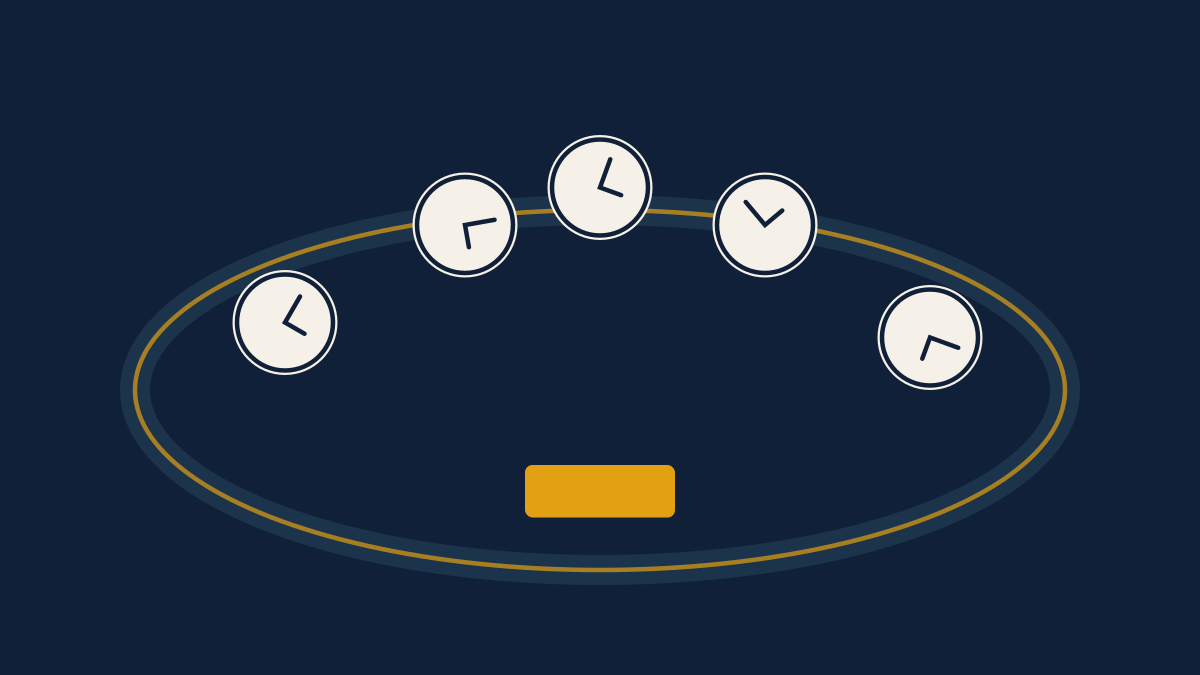
A share price on a phone looks like a single number, available at any hour. Behind it is a set of trading sessions that still follow the working day in particular cities, and a quieter overnight market that behaves differently from the open.
The book moves west
Equity markets in Asia open first, then Europe, then North America. Foreign exchange, which is more continuous, still has peaks when London and New York are both at their desks. As one session closes, orders, news and unfinished trades are inherited by the next.
That hand-off is why an announcement made in the afternoon in one country can arrive as a morning move in another. It is also why overnight futures can gap when a market officially reopens: the official auction is catching up with a price that has already been negotiated elsewhere.
Opening hours still matter for ordinary work
Payroll, bank transfers and company announcements are often timed to a home market’s calendar. A public holiday in one financial centre can thin out liquidity even if another centre is open. Settlements have cut-off times. A payment that misses a cut-off does not travel faster because the internet is always on; it waits for the next banking window.
People who work across time zones already know the social version of this: a meeting that is easy in one city is an early start or a late dinner in another. Markets have the same shape, with more money attached.
Reading a move in context
A sharp move at an unusual hour may say more about thin trading than about a lasting change in value. The first minutes after a major market opens can be noisy as orders placed overnight are executed. Later in the session, the same information may be absorbed more calmly.
You do not need a dealing screen to use this. If you are following a company, a currency or a commodity, notice where the clock is in the market that sets its main price. The number on the phone is real. The session that produced it is part of the story.



No comments have been published on this story yet.